How to Build an Automated Competitor Pricing Scraper & Daily Alert System
Track competitor SKU prices, inventory stock levels, and promotional discounts automatically. Build daily delta alerts and dynamic repricing intelligence.

Virtual Assistant & Data Entry Specialist
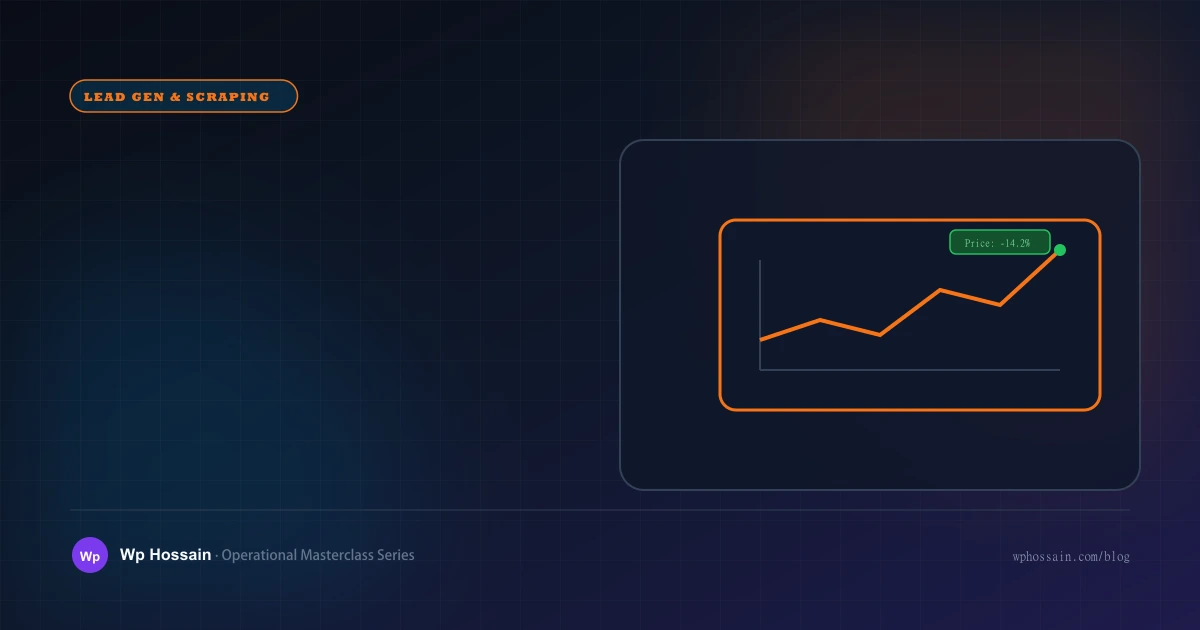
In competitive e-commerce sectors (such as electronics, beauty, or sports apparel), pricing margins shift daily. If a key rival runs a 15% promotional campaign on shared inventory, your sales can dry up within hours. Manually browsing dozens of competitor URLs every morning is unsustainable and error-prone.
An automated competitor price scraper continuously monitors target product pages, logs historical pricing curves, detects out-of-stock events, and notifies your merchandising team via automated Slack or email alerts.
1. The Price Delta Detection Workflow
Our system tracks four distinct state changes:
- Price Decrease: Indicates an active flash sale or liquidation pricing.
- Price Increase: Presents an immediate margin expansion opportunity for your store.
- Stock Depletion: When a competitor runs out of inventory, you can safely raise your prices or increase PPC ad spend on that specific SKU.
2. Storing Pricing Trends in SQLite / PostgreSQL
Never overwrite yesterday's price. Maintain an append-only snapshot log containing: sku, competitor_id, price_extracted, stock_status, and recorded_at. This longitudinal dataset allows you to calculate price elasticity and seasonal discount patterns.
Frequently Asked Questions
Common operational inquiries related to How to Build an Automated Competitor Pricing Scraper & Daily Alert System
Need High-Volume Catalog Migration or Custom Data Scraping?
Avoid manual spreadsheets and data corruption. Book a complimentary 15-minute feasibility call to review your SKU counts, attribute matrices, or scraping specs.
Written by Wp Hossain (Mikail Hossain)
Senior Data Entry & Operations Specialist with 7+ years of continuous delivery on Fiverr (rated 4.9/5 across 80+ reviews). Specializing in bulk WooCommerce/Shopify uploads, custom Python scrapers, and Google Sheets models.